
10 Essential Benefits of EMDR Therapy
10 Essential Benefits of EMDR Therapy
1. Reduces the intensity and frequency of trauma related symptoms
Eye Movement Desensitization and Reprocessing, EMDR, is widely known for its ability to reduce symptoms that follow distressing life experiences. Many people seek help because memories of a traumatic event keep returning, often in the form of intrusive images, nightmares, flashbacks, or sudden emotional waves that feel as if the event is happening again. A core benefit of EMDR therapy is that it can lower how often these intrusions occur and how intensely they affect you when they do arise.
In many cases, it is not the memory itself that is the problem, it is the way the memory is stored in the nervous system. Memories linked to overwhelming fear, helplessness, or shock can remain unprocessed, meaning the body and mind continue to respond as though danger is present. EMDR aims to help the brain finish processing what got stuck, so that the memory becomes less alarming, less vivid, and less likely to hijack your attention.
As trauma symptoms reduce, people frequently report improvements in everyday functioning. Concentration can return, sleep quality can improve, and a sense of emotional steadiness may become more available. This symptom relief can support a wider recovery, including better relationships, greater participation in work or study, and more confidence in daily routines that previously felt unsafe.
- Common improvements reported: fewer flashbacks, reduced nightmares, less hypervigilance, lower startle response, fewer panic reactions, more stable sleep patterns.
- Why it matters: symptom reduction creates the breathing space needed to rebuild a life that feels meaningful, not organized around avoiding reminders of the past.
2. Helps the brain process and integrate distressing memories
Another essential benefit of EMDR therapy is its focus on processing, not simply coping. Coping strategies are important and useful, but many clients want more than management. They want the memory to feel resolved, so it no longer dominates their inner world. EMDR is designed to support the brain’s natural capacity to integrate experience, so that the past can be remembered without feeling relived.
After a traumatic or highly stressful experience, a person may develop fragmented memory networks. The image, the body sensations, the emotions, and the meaning of what happened may be stored in a way that is disconnected from the broader context of the person’s life. When something triggers any part of that network, the entire set of feelings can return quickly. EMDR includes structured phases that support accessing the memory while engaging bilateral stimulation, such as guided eye movements, taps, or tones, to facilitate adaptive information processing.
Integration can look like a shift from, “It is happening now” to, “It happened then.” People may still feel sadness, anger, or grief about what occurred, but the memory can become more like a narrative that is placed in the past, rather than an active threat signal. Many clients describe that the memory becomes more distant, less charged, and more coherent, which can help them consolidate learning and reclaim personal agency.
- Signs of integration: the memory feels more organized, emotional charge drops, body reactions lessen, perspective widens, self blame may reduce.
- Long term value: integrated memories are less likely to be reactivated as intense symptoms during future stress.
3. Supports relief from negative self beliefs and shame
Trauma and adverse experiences often lead to painful beliefs about the self. A person might logically know they are not at fault, but still feel, deep inside, “I am unsafe,” “I am powerless,” “I am not good enough,” or “I should have done something.” These beliefs can be stubborn, because they are linked to strong emotional learning and body memory. EMDR therapy is particularly well known for helping shift negative self beliefs that are connected to distressing memories.
During EMDR, clients identify a memory target and the negative belief that feels most true in relation to it. They also identify a preferred, more adaptive belief, such as “I did the best I could,” “I am safe now,” or “I am in control.” As processing unfolds, many people find that the negative belief naturally loses credibility. The preferred belief can start to feel more true, not just as a thought, but emotionally and physically.
This can be especially significant for shame. Shame tends to shrink a person’s sense of worth and belonging, and it often fuels withdrawal, secrecy, and rigid self criticism. EMDR can help reduce shame by allowing the brain to reprocess the meaning of the event. Instead of an enduring conclusion about the self, the memory may come to represent a circumstance, a violation, a misfortune, or the limitations of others, rather than evidence that the client is fundamentally flawed.
- Beliefs that may shift: “I am to blame,” “I am damaged,” “I am unlovable,” “I cannot trust anyone,” “I am weak.”
- Potential outcomes: stronger self compassion, healthier boundaries, improved assertiveness, less self punishment.
4. Addresses body based distress and physiological reactivity
Many clients arrive in therapy describing symptoms that are strongly physical. They might experience a tight chest, nausea, trembling, chronic muscle tension, headaches, or a sense of being constantly on edge. Others notice they feel numb, disconnected, or frozen. These are not simply “in the head” experiences, they reflect how the nervous system carries and communicates threat. One benefit of EMDR therapy is that it explicitly includes attention to the body when processing distressing experiences.
EMDR is not solely a cognitive approach. It involves noticing sensations, emotions, and internal shifts during processing, and learning to track how the body responds as the memory changes. Over time, many people find that their baseline level of activation reduces. They may feel calmer in situations that previously triggered a surge of fear or irritability. They may also notice that they can detect early signs of stress and regulate more effectively before escalating.
When physiological reactivity reduces, quality of life can improve in practical ways. People are often better able to tolerate uncertainty, engage in social settings, and manage workplace pressure. They may find it easier to relax, rest, and enjoy leisure without feeling that something bad is about to happen. This can be a profound shift, especially for those who have lived for years in a state of high alert.
- Body related improvements: reduced somatic flashbacks, less tension, improved sleep onset, fewer stress related digestive symptoms, fewer panic sensations.
- Over time: increased capacity for calm, steadier energy, improved ability to recover after stress.
5. Can be effective for a wide range of concerns, not only PTSD
While EMDR is strongly associated with post traumatic stress disorder, it is used in clinical practice for many presentations where distressing memories, triggers, or maladaptive learning play a role. This breadth is a benefit for clients, because it means EMDR may be relevant even when someone does not identify with the label of trauma or does not meet full diagnostic criteria for PTSD.
People may seek EMDR for anxiety that appears linked to earlier experiences, such as being humiliated, bullied, or repeatedly criticized. Others present with phobias, performance anxiety, medical trauma, complicated grief, or distress following relationship betrayal. Certain patterns, like people pleasing, fear of abandonment, or intense self doubt, can be understood as adaptations developed in response to earlier relational stress. EMDR can target the memory networks that maintain these reactions.
It is also common for clients to have multiple stressors across the lifespan, some acute and some chronic. EMDR therapy can be used flexibly, with careful clinical formulation, to prioritize memories that have the greatest impact on current functioning. This makes it a useful therapy in settings where clients want a structured approach that connects past events with present symptoms and future goals.
- Areas where EMDR may help: anxiety disorders, panic, phobias, distress after accidents, childhood adversity, low self esteem, grief, relational trauma, stress related symptoms.
- Clinical advantage: targets the underlying memory networks, not only surface symptoms.
6. Often works efficiently compared with some other trauma focused approaches
Another essential benefit of EMDR therapy is its reputation for efficiency. This does not mean it is a quick fix, and it should never be rushed, particularly when someone has complex trauma or limited stability. However, many clients report meaningful shifts in distress within a relatively contained number of sessions, especially when the focus is on a specific incident or a small cluster of related events.
Efficiency can matter for practical reasons. Some clients have limited time due to work, caring responsibilities, or financial constraints. Others feel exhausted by years of repeating their story without feeling that anything changes internally. EMDR can reduce the need to detail every aspect of the event repeatedly, because the processing is oriented toward how the memory is stored and what it triggers, rather than prolonged narrative recounting.
Therapeutic efficiency also supports hope. When clients experience early signs of relief, they often feel more motivated to continue, to practice stabilization skills, and to engage in broader life changes. For some individuals, the experience of their mind and body shifting in-session is a powerful corrective experience, showing that healing is possible and that their symptoms are not permanent.
- Efficient does not mean superficial: EMDR can create deep changes, but pacing and preparation remain essential.
- Factors that influence pace: complexity of trauma history, current stress, dissociation, support systems, and readiness.
7. Strengthens emotional regulation and resilience under stress
EMDR therapy includes preparation and resourcing phases that build emotional regulation skills. Even when the primary goal is trauma processing, clients often learn tools to manage strong feelings, ground themselves, and stay connected to the present. This is a direct benefit because many people with trauma related symptoms have a narrow window of tolerance, meaning they become overwhelmed easily or shut down to cope.
Over time, as distressing memories are processed and nervous system reactivity reduces, people frequently notice that they can handle everyday stress more effectively. Emotional responses may become more proportionate to the situation. Instead of spiraling into catastrophic thinking or intense fear, they may be able to pause, reflect, and choose how to respond. This can change how someone parents, how they communicate in relationships, and how they cope with conflict or uncertainty.
Resilience is not about never feeling distressed. It is about recovering more quickly and maintaining a sense of self even in difficult moments. EMDR can contribute to resilience by reducing the number of triggers, altering the meaning of past experiences, and strengthening a person’s internal sense of competence. Many clients describe a shift from feeling constantly reactive to feeling more grounded and capable.
- Regulation skills often used: grounding, containment imagery, safe place exercises, paced breathing, orienting to the present, dual awareness.
- Resilience outcomes: faster recovery after setbacks, improved tolerance of strong emotions, increased confidence in coping abilities.
8. Reduces avoidance and expands life choices
Avoidance is a common and understandable response to trauma. If certain places, people, or conversations trigger distress, it makes sense that someone would try to stay away from them. The issue is that avoidance can spread. Over time, a person may avoid social events, intimacy, travel, driving, medical appointments, specific work tasks, or anything that resembles the original experience. This can shrink life and reinforce the belief that the world is dangerous and that the self cannot cope.
One essential benefit of EMDR therapy is that it can reduce the trigger response that fuels avoidance. When the memory becomes less charged, reminders become more tolerable. Clients often find themselves able to approach situations they previously feared, not because they are forcing themselves, but because the internal alarm signal is quieter. This opens up choices, allowing someone to live according to values and goals rather than fear.
Reducing avoidance can also support healthier relationships. People might become more willing to communicate about boundaries, needs, or past experiences. They may feel more able to attend family gatherings, reengage with friends, or attempt dating after a painful breakup or betrayal. In academic or professional contexts, decreased avoidance can mean improved participation, willingness to take opportunities, and reduced procrastination tied to fear of failure or criticism.
- Examples of avoidance that can shift: avoiding driving after an accident, avoiding sleep due to nightmares, avoiding intimacy after assault, avoiding authority figures due to earlier abuse.
- Life impact: greater freedom, improved participation, and more possibility for joy and connection.
9. Enhances self understanding and coherence of personal narrative
Many people living with unresolved trauma feel confused about their own reactions. They may ask themselves why they are so irritable, why certain people make them uncomfortable, or why they freeze in moments when they want to speak up. They may feel fragmented or as if different parts of them react in different ways. EMDR therapy can offer a benefit that is both practical and deeply personal, it can help create a more coherent inner narrative.
When the brain integrates memories, connections often become clearer. Clients may understand how earlier experiences shaped current patterns, such as perfectionism, distrust, emotional numbness, or excessive responsibility. This understanding is not about blaming the past for everything. It is about making sense of the nervous system and the protective strategies that once helped someone survive. With this clarity, clients often feel less self judgment and more compassion toward their own coping responses.
Coherent narrative can also support identity development. Trauma can interrupt a sense of who someone is and what they believe about the world. EMDR can help clients reclaim aspects of themselves that were buried under fear or shame. They may reconnect with strengths, preferences, and values, and feel more consistent across different settings. This can be particularly helpful in the aftermath of developmental trauma, where the person may never have had the chance to form a secure, stable sense of self.
- Coherence may show up as: better insight into triggers, reduced internal conflict, more stable self image, clearer boundaries.
- Identity benefits: improved self trust, greater alignment with values, more confidence making decisions.
10. Promotes future oriented confidence, growth, and lasting change
EMDR therapy is not only about reducing distress related to the past. It also supports a shift toward the future, helping clients build a sense of capability and readiness for what comes next. One of the key benefits is that once distressing memories are processed, people often feel less constrained by fear. They may become more willing to take healthy risks, like applying for a job, returning to study, setting boundaries, or entering supportive relationships.
EMDR includes attention to future templates, meaning rehearsing how a person wants to respond in situations that used to be triggering. This can help translate internal change into real world behavior. Instead of becoming overwhelmed, freezing, or dissociating, a client can learn to envision and practice a calmer, more resourced response. This future focus can make therapy feel practical and empowering, especially when the client has goals that require them to face situations linked to earlier distress.
Long lasting change is possible because EMDR aims to alter the underlying memory networks that drive symptoms. When those networks shift, the person’s default reactions can change, not just their coping. Many clients report that the improvements feel stable, and that even when new stress occurs, they respond differently. They may still feel upset, but not undone. They may still remember, but not be pulled back into the same level of distress. Over time, this can allow for post traumatic growth, including deeper appreciation of life, stronger relationships, and increased clarity about what matters.
- Future focused gains: increased confidence, clearer goals, improved assertiveness, healthier relationship choices, more willingness to try new experiences.
- Lasting change markers: fewer triggers, improved recovery after stress, reduced shame, more stable sense of safety and self worth.
Practical considerations that can help you get the most from EMDR therapy
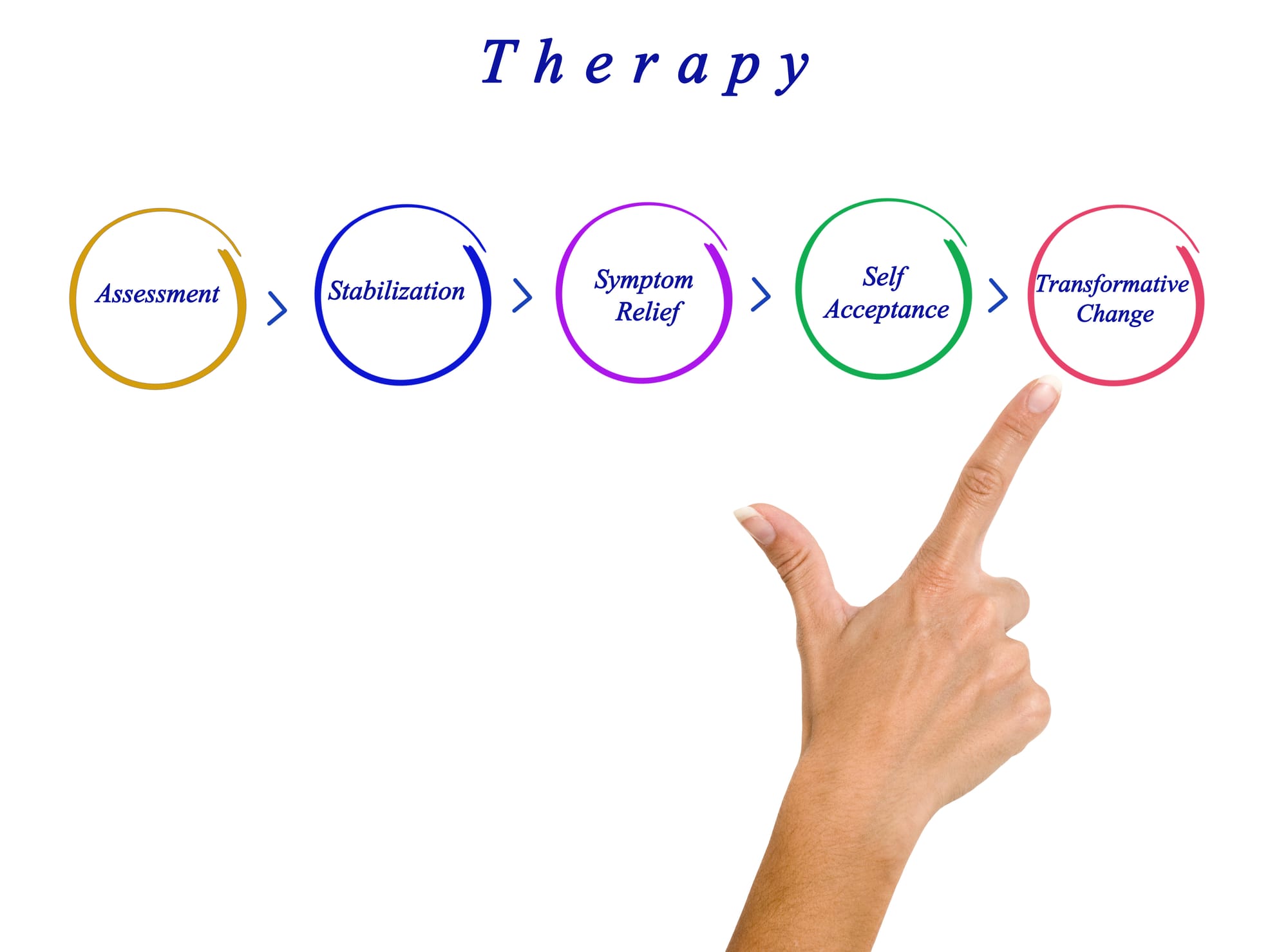
Although the benefits above are significant, the best outcomes usually come from careful assessment, preparation, and pacing. A well delivered EMDR approach typically includes screening for dissociation, evaluating current stability, and building resources before processing intense memories. This is not a barrier to progress, it is part of what makes EMDR safe and effective for many people. Particularly for clients with complex trauma histories, time spent on stabilization can be a key ingredient in long term success.
It can also be helpful to remember that EMDR processing can feel different from session to session. Some sessions may involve rapid shifts, while others may feel slower, with more subtle changes. The goal is not to force a particular experience, but to support the brain’s natural processing and allow changes to consolidate. Many clients benefit from planning gentle activities after sessions, prioritizing hydration, sleep, and supportive routines, and noting any changes in triggers or mood to discuss in the next appointment.
Finally, EMDR therapy tends to work best as a collaborative process. Clients can share what feels manageable, what feels too much, and what support they need to stay within their window of tolerance. This collaboration can be healing in itself, especially for those whose earlier experiences involved powerlessness, silencing, or lack of choice. When therapy honors agency and consent, the benefits of EMDR often extend beyond symptom reduction, supporting a renewed sense of control and personal dignity.
- Helpful steps: ask about training and experience, discuss pacing, build grounding skills, track triggers and improvements, plan post session self care.
- Key takeaway: EMDR benefits are maximized when safety, stabilization, and collaboration are prioritized alongside processing.